A live match has at least three clocks: the event clock, the time a provider reports the event and the time you see a quoted price. Broadcast buffering, app updates and market suspensions can put those clocks out of sync. Using them interchangeably creates a degree of precision the record cannot support.
One passage of play, three timestamps
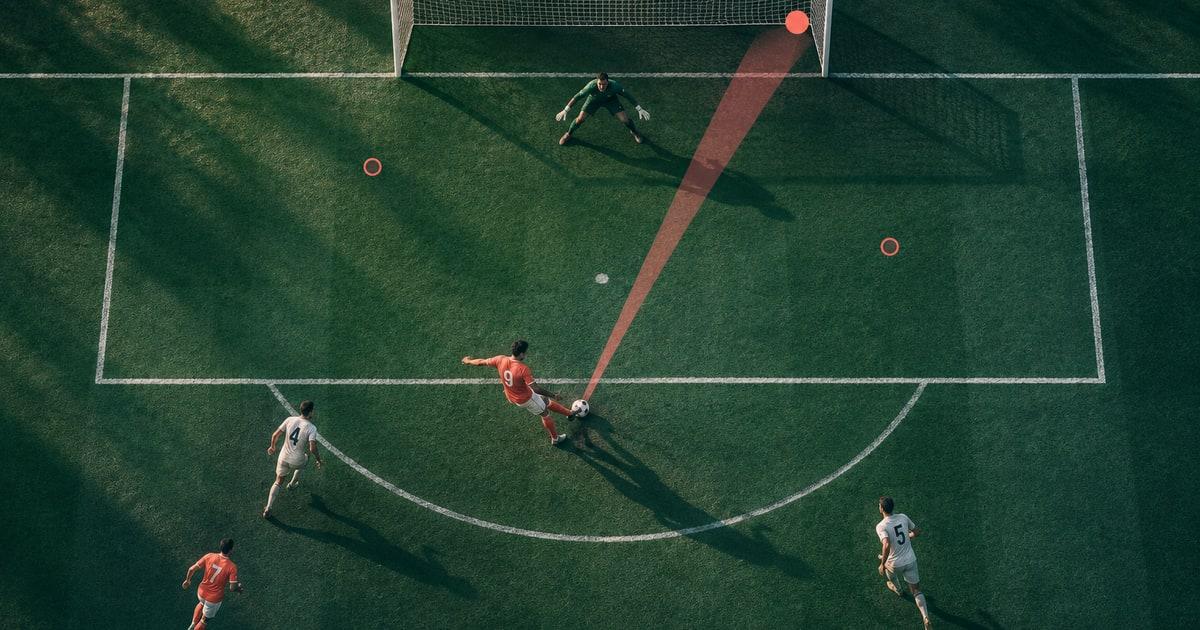
In this simulated example, a chance occurs at 62:14 on the match clock. A data feed updates at 21:20:18 and an observer records a price at 21:20:22. Without knowing when the provider first received the event or whether the price refreshed after the chance, we cannot say what the price had incorporated. A television stream can lag the scoreboard. A suspended market can still show a last observed price.
Ask four questions before recording a reaction
- Does this timestamp describe the event itself or when the information arrived?
- Was the price available, or was it last seen just before suspension?
- Does the source distinguish reviews, corrections and period changes?
- Did you record the score and settlement rules for the same market?
A 2026 observational Bundesliga study found that market activity reacted to match dynamics but did not anticipate the first goal in the study sample. Its findings depend on the competition, provider and period studied. A 2026 preprint on in-play forecast calibration illustrates a separate point: forecast performance depends on the information the model receives and how it is calibrated.
Rehearse with a replay
Find ten passages of play in a recorded match. Build a table with the three times, the source, the market state and your confidence. Mark a sequence as unknown if you cannot put the evidence in order. Note which field you would correct if better information arrived. When live data is delayed or contradictory, passing on the market is an available choice. The observation still has value even if no betting decision follows.